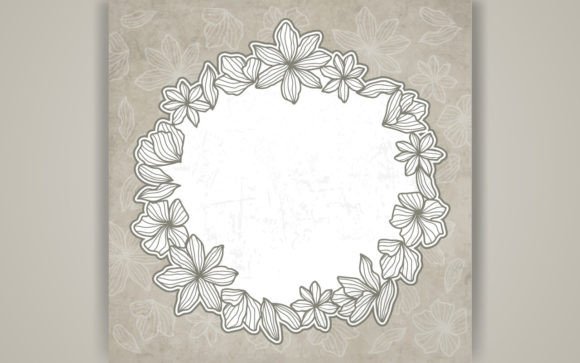
Review: Decorative Paper Cut Floral Frame SVG
As a designer who spends half my day in vector software and the other half troubleshooting tension settings on an embroidery machine, I have developed a fairly strict internal filter for new design assets. When I see a file marketed as a Decorative Paper Cut Floral Frame SVG, my first instinct is usually skepticism. "Paper cut" implies intricate, delicate lines that often translate poorly into thread. A line that looks crisp on a screen can easily become a tangled mess of bird's nests or a blurry shape once stitched onto fabric.
However, after spending some time analyzing this specific asset for potential use in my own craft business, I found it to be a surprisingly robust option for certain applications. It bridges the gap between digital graphic design and physical textile art in a way that feels both modern and timeless. Below is my practical breakdown of how this design performs when moving from the computer screen to the hoop.
The First Impression and Visual Mood
The moment you open the file, the aesthetic is immediately clear. This isn't your standard, overly detailed Victorian rose bouquet. Instead, it captures the essence of negative space cutting—a technique where the background is removed to let the subject shine. In the context of a machine embroidery design, this creates a clean, airy look that feels contemporary and high-end.
The layout is structured as a frame, which gives it immediate versatility. It doesn't just sit there; it invites content. Whether you are planning to embroider a name inside the border or leave it as a standalone decorative element, the visual weight is balanced. The mood is romantic but not fussy. It works beautifully for personalized gift items because it feels custom without being overwhelming. For an Etsy seller looking to create boutique branding, this style signals quality. It suggests that the maker paid attention to detail, even if the actual stitching process was streamlined.
Real-World Application: From Screen to Stitch
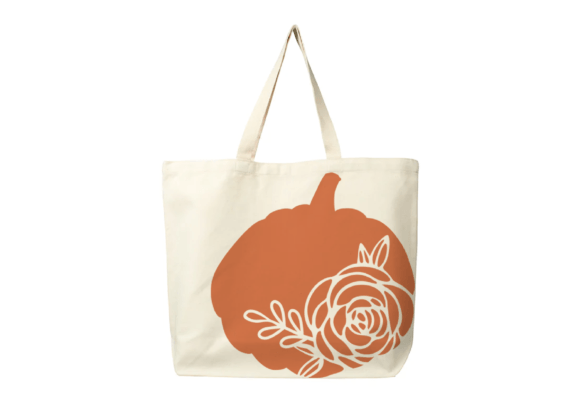
Let’s talk about where this embroidery file actually shines. I recently imagined using this design for a batch of custom linen tote bags intended as wedding favors. The paper-cut aesthetic pairs exceptionally well with natural fibers like cotton, linen, and heavy canvas. On these fabrics, the contrast between the thread and the material allows the "cut-out" effect to remain visible, mimicking the original graphic intent.
I also considered applying this to sweatshirt embroidery for a winter collection. Here, the design would likely be executed using a combination of satin stitches for the borders and fill stitches for any solid floral elements. The frame structure helps contain the stitch density, preventing the garment from becoming too stiff or heavy. This is crucial for wearable items where comfort matters. If you are a small shop product creator, knowing that the design holds its shape without requiring excessive underlay is a huge plus for production speed.
Another strong use case is nursery decor. The soft, organic curves of the floral frame make it ideal for baby blankets or crib bumpers. In this context, the design acts as a gentle border that frames a central monogram or a simple motif. It adds a touch of elegance to baby embroidery projects that might otherwise feel too plain. Parents are often looking for items that look expensive but are durable enough for daily use, and this design strikes that balance.
Where Caution Is Required
While the design has strengths, it is not a universal solution. There are specific scenarios where this digital embroidery file could lead to disappointing results if you aren't careful.
- Small Hoop Sizes: Because this is a frame, it inherently requires a decent amount of surface area. Trying to cram this into a tiny 4x4 hoop may result in lost details or distorted proportions. Ensure your hoop size can accommodate the full width and height of the frame before committing to the project.
- Textured and Stretchy Fabrics: Avoid using this on highly textured materials like terry cloth or thick fleece, as the fine details of the paper-cut style will get lost. Similarly, stretchy knits can distort the symmetry of the frame unless you use a very strong stabilizer. For custom apparel made from jersey or spandex blends, test first to ensure the frame doesn't warp during washing.
- Dense Stitch Areas: While the design is elegant, if the software converts all lines to dense satin stitches, it may become stiff. Review the stitch type carefully. A mix of satin and running stitch might preserve the delicate "paper" look better than a solid block of thread.
- Curved Surfaces: Applying this to a cap or a curved hat panel is risky. Frames rely on straight lines and right angles (or consistent curves) to look intentional. Distorting them on a curved surface can make the design look sloppy rather than artistic.
Technical Considerations for the Designer
Before you upload this to your machine, there are several technical checks you must perform. First, inspect the small details. In vector graphics, a thin line is easy to draw. In embroidery, a thin line requires precise digitizing. Look closely at the corners and intersections of the floral elements. Are they clean? Do they need additional underlay to prevent puckering?
Thread color selection is equally important. The paper-cut effect relies heavily on contrast. If you are working on a dark fabric, choose a bright or metallic thread to make the frame pop. On light fabrics, a darker thread will define the edges sharply. I recommend testing your thread colors on scrap fabric that matches your final product. Lighting in your studio can deceive you; what looks vibrant on your monitor might look muddy on white cotton.
Also, consider the stabilizer. Because this is a craft business asset, consistency is key. Use a tear-away or cut-away stabilizer appropriate for your fabric weight. If the design shifts during stitching, the entire illusion of precision is broken. For commercial embroidery projects where you are selling finished goods, a stable base ensures that every unit looks identical, which builds customer trust.
Value and Versatility for Sellers
From a business perspective, this design offers excellent value. It fits seamlessly into categories like holiday embroidery, particularly for Christmas cards or gift tags where a framed photo or message is desired. It also works well for apron embroidery, adding a professional touch to kitchen linens.
For those selling design assets or creating printable mockups, this vector format provides flexibility. You can resize it without losing quality, allowing you to create various sizes for different products. Whether you are making a large wall hanging or a small embroidered patch, the core design remains intact. This adaptability makes it a smart investment for creative entrepreneurs who want to maximize the utility of each purchase.
Ultimately, the Decorative Paper Cut Floral Frame SVG is a sophisticated choice for designers who understand the nuances of translating digital art into thread. It rewards careful planning and execution with a beautiful, professional-looking result. By paying attention to fabric choice, stitch density, and stabilization, you can transform this simple frame into a standout piece for your handmade product lineup. Just remember to test thoroughly and keep your expectations realistic about the limitations of thread versus ink. With the right approach, this design can elevate your brand and delight your customers.