Purple Floral Butterfly Illustration: An Embroidery Review
As a designer who spends more time than I care to admit staring at stitch lines and fabric grain, I approach every new embroidery file with a healthy dose of skepticism. We have all been there: you buy a beautiful digital asset, expecting it to translate seamlessly into a tangible product, only to find that the intricate details turn into a muddy blob after stitching. That is why I treat every review as a practical stress test. Today, I am evaluating the Purple Floral Butterfly Illustration, a design described as a Luna moth butterfly sublimation SVG. While the source material mentions sublimation and printing, my focus here is strictly on how this graphic performs when translated into physical embroidery for real-world projects.
First Impressions and Visual Personality
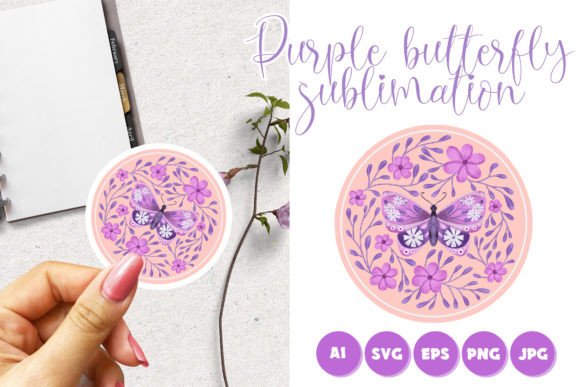
The moment you open the file for the Purple Floral Butterfly Illustration, the mood is immediately established. It carries a whimsical, ethereal quality that feels distinctly feminine yet grounded by the structural integrity of the butterfly wings. The inclusion of floral elements suggests a softness that works beautifully for nursery decor or boutique branding, but the core shape of the Luna moth provides a strong central anchor. This is not just a generic bug; it has character. For an Etsy seller or craft business owner, this kind of distinct visual personality is crucial. It helps your product stand out in a crowded feed because it tells a story before the customer even reads the title.
Visually, the illustration relies on clean lines and balanced negative space. In the world of machine embroidery design, negative space is your best friend. It allows the eye to rest and prevents the final finished product from feeling cluttered. The layout feels natural, suggesting that the artist understood composition. When I look at this, I do not see a chaotic collection of shapes; I see a cohesive design asset that is ready to be scaled and adapted. However, the transition from a digital vector to thread requires careful planning, especially regarding color theory and texture.
Real-World Application: From Screen to Stitch
Let us move past the screen and imagine this design in use. I recently considered using the Purple Floral Butterfly Illustration for a custom order: a set of personalized baby onesies for a twin girl shower. The client wanted something delicate but durable enough to withstand frequent washing. This is where the true value of the design becomes apparent. The Luna moth’s wide wings provide ample area for different stitching techniques. You could utilize a dense fill stitch for the body to create a plush, tactile feel, while using lighter running stitch or satin outlines for the floral accents to maintain detail without adding bulk.
This versatility makes it an excellent candidate for various custom apparel items. Beyond baby clothes, I see this design thriving on canvas tote bags. A tote bag design featuring this butterfly would appeal to shoppers looking for eco-friendly, stylish accessories. The purple hues can be matched with specific thread colors to pop against neutral fabrics like cream, sage green, or denim blue. Furthermore, its aesthetic fits perfectly within the realm of holiday embroidery, particularly for spring-themed gifts or Easter baskets. It also translates well to home goods; imagine this embroidered on a linen pillow cover or a kitchen tea towel. These are high-margin items for a small shop product line because they offer immediate home decor value.
Technical Considerations and Fabric Constraints
While the design is visually appealing, no single artwork is perfect for every surface. As an experienced reviewer, I must highlight where caution is needed. The Purple Floral Butterfly Illustration contains fine details, particularly in the wing patterns and floral connections. If you attempt to digitize this for a very small hoop size, such as 3x3 inches or smaller, you risk losing definition. Fine lines may merge together, creating a dark, indistinct patch rather than a graceful insect. Therefore, I strongly advise testing the design on scrap fabric first to determine the minimum viable size.
Fabric choice is equally critical. Textured fabrics, such as heavy bouclé or thick fleece, can obscure the finer details of the illustration. Similarly, stretchy knits require proper stabilizer support to prevent distortion, which might warp the symmetrical beauty of the butterfly. If you plan to use this on dark fabrics, the thread color contrast becomes paramount. You cannot rely on the background fabric to provide visibility; you will need light or metallic threads to ensure the purple tones remain vibrant and distinguishable. Additionally, if you are producing embroidered patches for jackets or hats, be mindful of the curved surfaces. A flat design placed on a curved cap brim may distort if not carefully positioned, so mockups are essential before committing to production.
Impact on Brand Value and Customer Trust
In the handmade market, presentation is everything. A well-executed embroidery project signals professionalism and attention to detail. When customers receive a product featuring the Purple Floral Butterfly Illustration, they are not just buying a butterfly; they are buying the assurance of quality. If the stitching is clean, the tension is balanced, and the thread colors match the digital preview, it builds trust. Conversely, sloppy execution can undermine the artistic intent of the design.
This design lends itself well to personalized gift markets. Its gentle aesthetic appeals to buyers looking for sentimental items, such as wedding favors, anniversary gifts, or commemorative keepsakes. By ensuring the stitch density is optimized and the edges are clean, you elevate the perceived value of the item. It transforms a simple piece of fabric into a premium handmade product. For digital product sellers, offering high-quality mockups that accurately represent how the design looks on different fabrics can significantly increase conversion rates. Buyers want to see exactly what they are getting, and realistic previews reduce returns and disputes.
Practical Designer Notes for Success
- Test on Scrap: Always run a test stitch on the exact fabric you intend to use. This reveals issues with puckering, thread breakage, or color bleeding before you commit to the final piece.
- Check Contrast: View your design in black and white to ensure the shapes are distinct. If the design relies too heavily on subtle color shifts, it may fail in monochrome stitching.
- Stabilizer Strategy: Use the appropriate stabilizer for your fabric weight. Heavy cut-away stabilizers are often necessary for garments, while tear-away may suffice for stable home decor items.
- Licensing Verification: Before selling any finished items, confirm the licensing terms of the digital embroidery file. Ensure you have commercial rights for the specific products you are manufacturing.
- Thread Selection: Experiment with different thread brands and sheens. A matte cotton thread will give a vintage look, while polyester rayon offers high shine and vibrancy.
Final Verdict
The Purple Floral Butterfly Illustration is a versatile and charming addition to any designer’s library. It balances artistic flair with structural clarity, making it suitable for a wide range of applications from sweatshirt embroidery to delicate baby embroidery. While it requires thoughtful digitization and fabric selection to fully realize its potential, the payoff in terms of customer appeal and product value is significant. For makers and entrepreneurs looking to expand their offerings with designs that evoke emotion and elegance, this illustration is a strong contender. Just remember: the magic happens in the execution, so take the time to prepare, test, and refine your process.