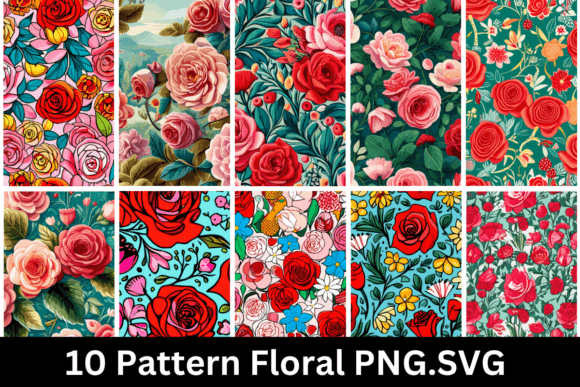
Pattern Floral Illustration V20 Review
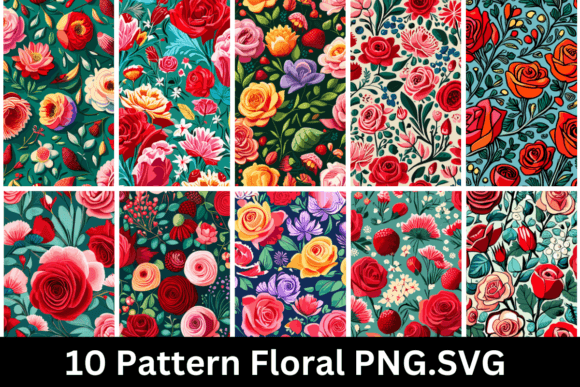
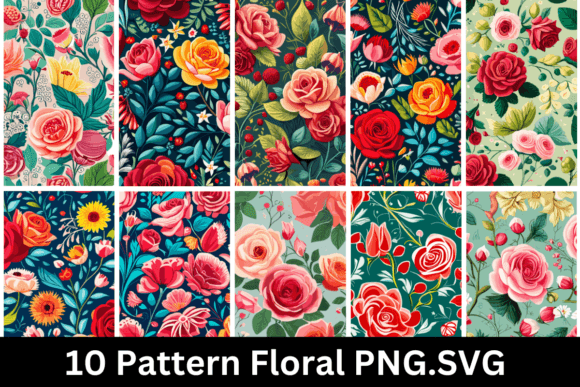
As a designer who spends half my life staring at stitch density charts and the other half trying to sell finished goods, I don’t have time for designs that look pretty on screen but fall apart under the needle. When I pulled up Pattern Floral Illustration V20, I wasn’t just looking at a graphic; I was evaluating it as a potential asset for my next batch of custom orders. The product description highlights high-quality multiple formats, including PNG and SVG in 300 DPI, with resolutions up to 6000 x 6000 pixels. That level of detail is crucial for us because it means we can scale without losing the integrity of the lines, whether we are printing a mockup or digitizing a complex layout.
First Impressions and Visual Mood
The moment you load this file, the mood is immediately clear: elegant, organic, and slightly romantic. Unlike the rigid, geometric patterns that often feel cold in embroidery, this floral illustration has a natural flow. The shapes breathe. For an embroidery designer, that breathing room is everything. It suggests that when translated into thread, the design won’t look cluttered or muddy, even if you use a rich color palette.
I found myself thinking about how this would look on a soft, oatmeal-colored linen tote bag. The contrast between the delicate line work of the floral stems and the texture of the fabric would create a sophisticated handmade product vibe. It’s not shouting for attention; it’s whispering quality. That subtle confidence is exactly what buyers respond to when they are browsing Etsy listings or walking through a craft fair booth. It feels like a design that belongs in a boutique setting rather than a discount bin.
Real-World Application: From Screen to Stitch
Let’s talk about where this design actually shines. I’ve been brainstorming a line of personalized gifts for the upcoming holiday season, and Pattern Floral Illustration V20 fits seamlessly into several categories. Imagine a set of embroidered kitchen towels featuring this pattern along the hem. Because the resolution is high (6000 x 6000 pixels), the details remain crisp even when repeated. This is vital for maintaining brand consistency across a product line.
Another strong use case is custom apparel. I envision this as a chest-level placement on a heavyweight sweatshirt. The floral motif adds a touch of femininity without being overly frilly, making it appealing to a broader demographic. It works well as a standalone machine embroidery design or could be integrated into a larger layout for a patch. If you are an Etsy seller looking to expand your catalog, this type of versatile graphic allows you to pivot quickly from home decor items like pillow covers to wearable art like caps and hats.
The availability of both PNG and SVG formats is a significant advantage. The SVG ensures that if you need to resize the design for a specific hoop size, the vectors remain clean. The PNGs, at 300 DPI, are perfect for creating high-resolution printable mockups to showcase your finished products online. Buyers trust sellers who present their items clearly, and sharp, detailed visuals build that trust before the customer even touches the fabric.
Where to Exercise Caution
No design is universal, and Pattern Floral Illustration V20 has its limitations. While it is beautiful, it is illustrative, which means it relies heavily on line weight and negative space. This requires careful consideration when choosing your substrate.
- Textured Fabrics: Avoid using this on heavily textured materials like bouclé or thick waffle knits. The intricate details of the floral illustration will get lost in the weave, resulting in a muddy finish.
- Small Hoops: If you are working with very small hoops, such as those used for jewelry tags or tiny patches, you must ensure the design is scaled appropriately. Tiny details in a floral illustration can merge together if the stitch length isn't managed correctly.
- Stretchy Fabrics: On thin, stretchy jersey fabrics, heavy fill stitches can cause puckering. Since this is an illustration, it likely contains fine lines that require precise tension. Always test on scrap fabric first to check how the fabric texture interacts with the thread.
- Dense Areas: If the design includes dense clusters of petals, review the stitch density. Too many layers of thread in one spot can make the fabric stiff and uncomfortable, especially on baby clothes or delicate scarves.
Technical and Commercial Considerations
For those of us running a craft business or selling digital embroidery files, the technical specs matter. The fact that this comes in multiple formats and high resolutions gives us flexibility. However, it is imperative to verify the licensing terms before using this for commercial purposes. Are you allowed to sell the finished physical goods? Can you resell the digital assets themselves? These questions define the value of the purchase.
When preparing this for production, I recommend converting the design to black and white temporarily during the planning phase. This helps identify any areas where the design might become too dark or indistinct after stitching. Also, pay close attention to the thread colors you choose. A floral illustration thrives on contrast. Using low-contrast threads on a similar-colored background will flatten the design and reduce its visual appeal.
Using the right stabilizer is non-negotiable. For a design of this nature, which likely balances delicate lines with some body, a cut-away stabilizer is often best for garments that need to remain soft, while a tear-away might suffice for stable home decor items like tea towels. The goal is to keep the embroidery project flat and smooth, preserving the artistic integrity of the original illustration.
Final Verdict
Pattern Floral Illustration V20 is a solid addition to any designer’s toolkit. It strikes a balance between detailed enough to look professional and simple enough to execute reliably. It is particularly well-suited for personalized gifts, custom apparel, and small shop products where aesthetic appeal drives sales. Whether you are creating a unique tote bag design or expanding your commercial embroidery offerings, this graphic provides a strong foundation.
Just remember to respect the limits of the medium. Test thoroughly, choose your fabrics wisely, and let the quality of the underlying illustration speak for itself. When done right, this design doesn’t just decorate a product; it elevates it, turning a simple item into a keepsake that customers are proud to own and display.